11 rare types of honey
Honeys from different countries differ significantly from one another in terms of taste, aroma and colour, because they come from different plants and are produced in regions with different climatic conditions. Below we present 11 rare types of honey from various parts of the world. Each one is unique, hard to find and in many cases very expensive.
Don’t forget that in Cyprus we find only blossom honey and thyme honey. Honeys are divided into two categories: blossom honeys that come from the nectar of flowers (e.g. thyme honey) and honeydew honeys (e.g. pine honey) that come from certain insects which live as parasites on plants, sucking out their juices and then excreting them as sugary juices, in the form of small droplets. In Cyprus we do not produce honeydew honeys.
So let’s take a look at 11 rare honeys we have selected for you.
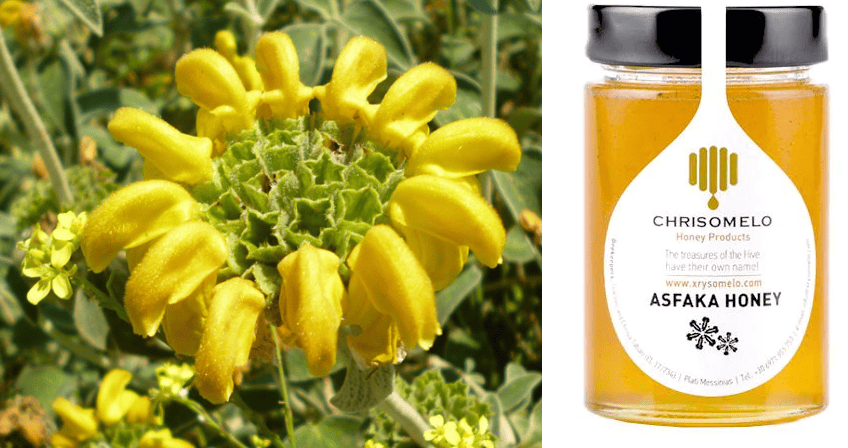
- Asfaka honey. In Greece we come across a very rare variety that comes from the asfaka plant (Jerusalem sage). Although asfaka is a common shrub in Greece, the difficulty bees have in penetrating the interior of the flower weakens them. As a result, beekeepers avoid producing honey from asfaka.
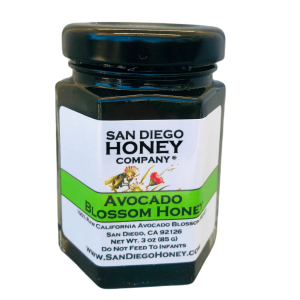
- Avocado honey. In California, Florida and Mexico this little-known type of honey is collected. During the summer months, avocado trees produce white flowers that attract bees. Avocado honey has a very dark colour and its taste has nothing to do with avocado. Its flavour is reminiscent of brown sugar syrup.
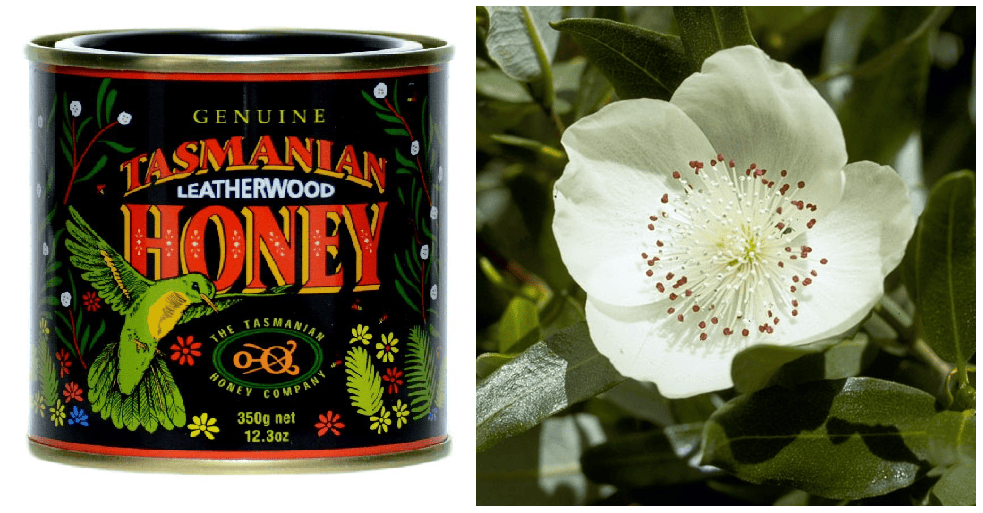
- Tasmanian leatherwood honey. Produced exclusively in Tasmania, Australia from the nectar of the flowers of the Leatherwood tree. Leatherwood has white flowers that bloom for only a few weeks each year. As a result, production is seasonal and demanding. It has an intense aroma and a strong flavour.
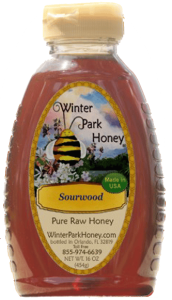
- American sourwood honey. In the Appalachian Mountains of America, bees use the nectar of the sourwood tree to create a honey with notes of caramel, anise and maple. Production is limited due to the short flowering period.
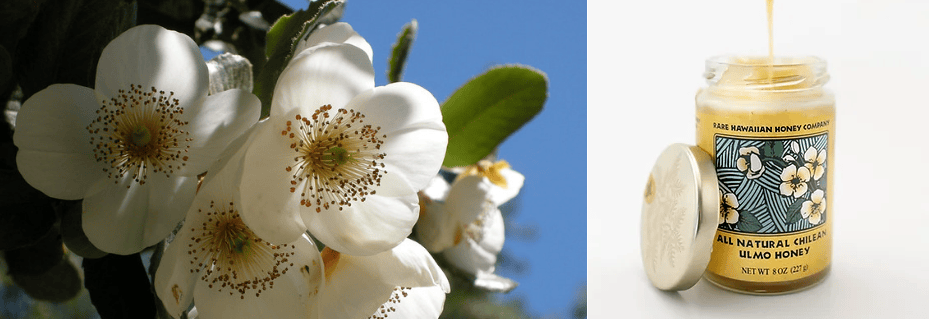
- Chilean Ulmo honey. An extremely rare variety coming from the threatened tree with the scientific name Eucryphia cordifolia (ulmo tree), which is found in the tropical forests of Chile. The tree produces pink or white flowers which bloom between February and April. Ulmo honey has a light amber colour and an intense sweetness.
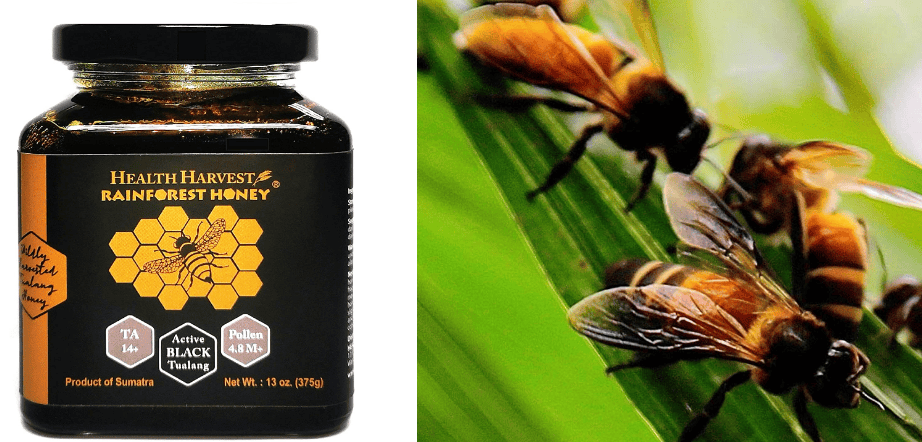
- Malaysian Tualang honey. A very special variety, as it is produced by the giant bees of the species Apis dorsata, which build their hives high up in the Tualang trees. The nectar is collected from the surrounding forest plants and not from the Tualang tree itself. It has a dark colour and an intense flavour with a slightly bitter aftertaste.
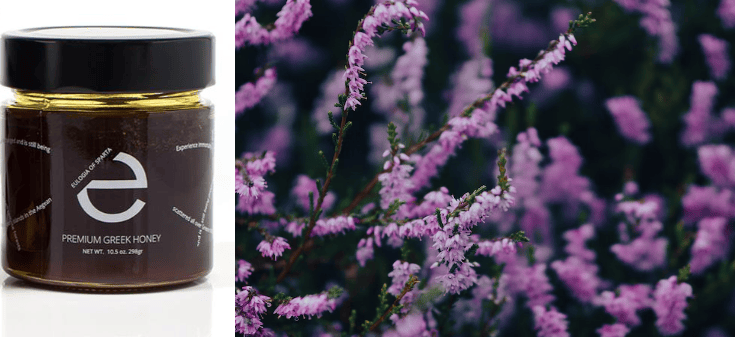
- Heather honey. Produced from the nectar of the flowers of the heather plant. Scotland has a large production of this particular variety, but in recent years we are also seeing Greece develop it. On Ikaria they call it anamatomelo. Heather honey has an amber colour and an intense flavour.
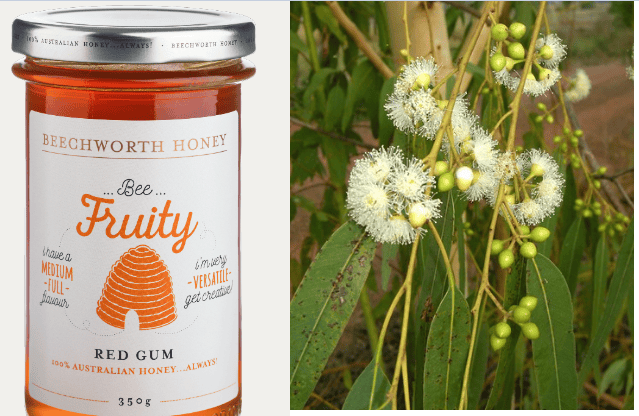
- Australian Eucalyptus honey (red gum honey). It comes from the species Eucalyptus camaldulensis (river red gum), which grows only in certain regions of Australia. This particular honey is produced in small quantities due to the rarity of the tree, which blooms for only 2 months. In terms of taste, it is distinguished by its special and rich flavour.
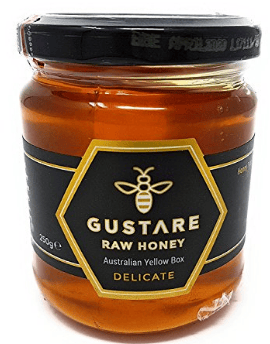
- Australian Eucalyptus Melliodora honey (yellow box honey). Produced from the nectar of Eucalyptus melliodora, which is found exclusively in Australia. It usually has a dark colour and an intense, sweet flavour with notes of caramel or toffee.
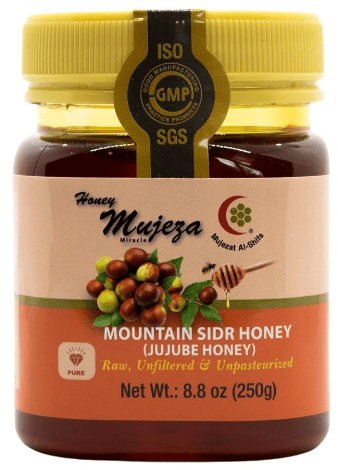
- Yemeni Sidr honey. An extremely expensive and rare type of honey. It is produced from the nectar of the sidr tree, which is native to Yemen. It is harvested only twice a year and stocks run out quickly. It has a thick, viscous texture and a dark colour.
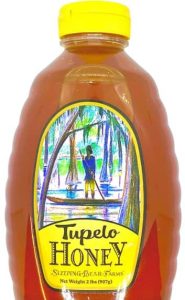
- American Tupelo honey. The Nyssa ogeche tree, known as the White Tupelo tree, grows only in specific regions in the south-eastern United States. These trees bloom for a short period of time. Tupelo honey has a light and buttery flavour.